It’s a trap to think that in order for us to be happy, we need to put ourselves first. Scientists have evidence that one way to increase happiness is to be thankful and grateful:
The video above gives one easy way to put others first by making a “gratitude chart.”
Here are some other ideas from Love and Logic:
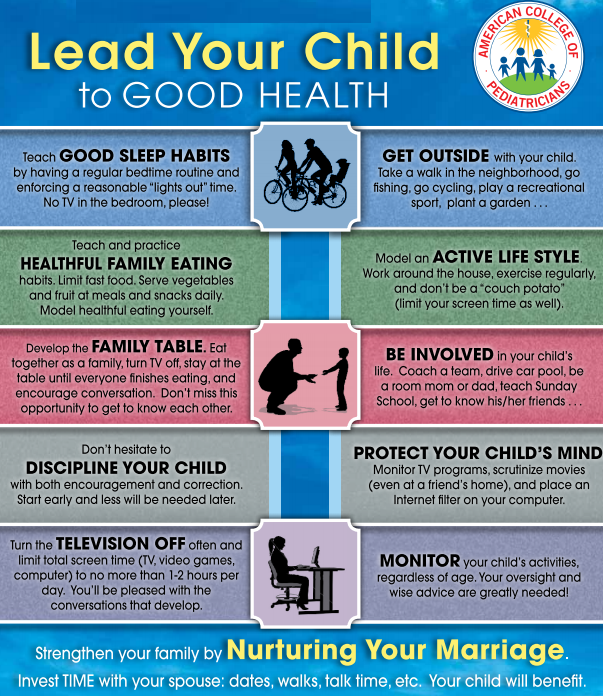
Make sure to love your student in a selfless way.
Teach them to serve you and their family. “Do your kids have a list of contributions (a.k.a. “chores”) that they need to complete by various days or times of the week? Are you holding them accountable for failing to complete the duties by the prescribed deadlines? Are you doing this with empathy… rather than anger, lectures, threats, or bribes?”
Expect tangible mini acts of service. ” Should our children be seated when older adults have to stand? What wonderful lessons can be learned when we expect them to rise and offer their seat to someone else? Are your kids holding doors open for people? When in line are they offering someone to go ahead of them? Are they offering to carry something for someone who is struggling?”
Allow boredom. “Since they have a phone or tablet, and have constant access to videos as their parents shop or do similar less-than-stimulating things, they are being entertained. When we do this, are we stealing from them? Might this practice be contributing to the number of young people who have absolutely no impulse control skills?”
Limit exposure to popular media. “Are the relationships portrayed in most television shows, modern movies, and other media, the kinds we want our kids emulating?”
Community service… as a privilege not a punishment. “Too frequently “community service” is viewed as something only done by drunk drivers and others who’ve broken the law. In a Love and Logic home, community service is not designed to be a punishment… it’s intended to be an opportunity… a privilege. It’s intended to be seen as an opportunity to be part of something important, needed, and noble.”